Marine Electrician Jobs Guide: Working on the Water

SpliceJobs Team
Published on 8/31/2026
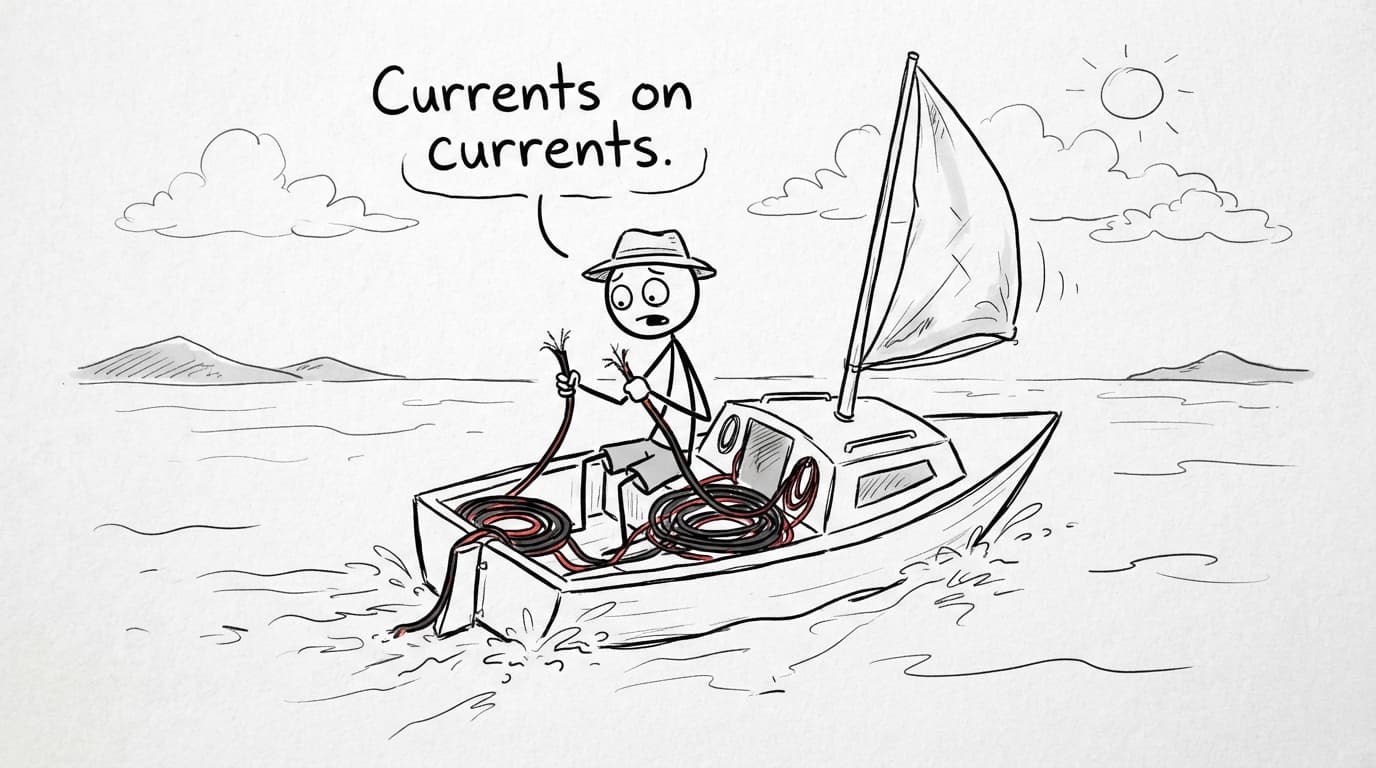
A marine electrician installs, maintains, and repairs electrical systems on boats, ships, and offshore rigs. According to SpliceJobs trade analysts, these specialists manage complex DC battery banks, AC shore power generators, and marine-grade wiring to ensure vessels operate safely under harsh, corrosive saltwater conditions.
What exactly does a marine electrician do on a daily basis?
Working as a marine electrician is very different from working in residential or commercial construction. Instead of wiring static buildings, you are working on floating structures that move, vibrate, and face constant exposure to water and salt.
SpliceJobs has tracked the primary day-to-day responsibilities of marine electrical professionals, which include:
Installing Marine-Grade Wiring: Pulling and securing tinned copper wire through tight conduits. Marine wire must be multi-stranded so it can flex with the movement of the boat without breaking.
Managing Power Distribution: Setting up and troubleshooting AC systems (like 120V shore power and generators) and DC systems (like 12V or 24V battery banks used for engine starting and house electronics).
Servicing Navigation and Communication Gear: Installing radar, GPS, VHF radios, depth sounders, and autopilot systems.
Preventing Galvanic Corrosion: Installing and monitoring sacrificial anodes and bonding systems to prevent electrical currents from destroying underwater metal parts like propellers and shafts.
Wiring Bilge and Safety Systems: Ensuring critical safety gear, including bilge pumps, high-water alarms, and fire suppression systems, have reliable power sources.
System Type | Common Components | Key Marine Challenge |
DC Systems (Low Voltage) | Batteries, bilge pumps, cabin lights, electronics | Voltage drop over long wire runs |
AC Systems (High Voltage) | Shore power inlets, generators, air conditioning, chargers | Electric shock drowning (ESD) risks |
Bonding & Grounding | Sacrificial anodes, ground plates, lightning protection | Galvanic corrosion from stray currents |
What specific tools and safety gear do you need in this trade?
You cannot use standard residential electrical tools on a boat. The marine environment requires specialized gear to ensure connections are watertight and vibration-proof.
Essential Trade Tools
Digital Multimeter: Used to test voltage, resistance, and continuity. A high-quality, waterproof meter is highly recommended.
Ratcheting Wire Crimping Tool: Used to make secure mechanical connections. Marine standards forbid soldering wire joints because solder makes the wire stiff and prone to cracking under vibration.
Heat Gun: Used to shrink adhesive-lined heat shrink tubing over electrical connections to keep water out.
Wire Strippers and Cutters: Designed for multi-strand marine wire sizes.
Coax Cable Strippers: For installing antenna cables for marine radios and radar systems.
Crucial Safety Equipment
Personal Flotation Device (PFD): Often required when working on vessels that are in the water or on docks.
Non-Slip, Non-Conductive Boots: Essential for maintaining traction on wet decks while protecting against electrical shock.
Safety Glasses and Gloves: Crucial when working around large lead-acid or lithium-ion battery banks that can spill acid or arc heavily.
How much money can you make as a marine electrician?
Because of the specialized nature of the work, marine electricians often earn a premium compared to residential wiremen. SpliceJobs data shows that compensation varies based on your experience level, geographic location, and union status.
Earnings by Experience Level
The table below outlines average hourly and annual wages across North America:
Experience Level | Average Hourly Wage (USD) | Average Annual Salary (USD) |
Apprentice (0-2 Years) | $18.00 to $24.00 | $37,440 to $49,920 |
Journeyman (3-5 Years) | $26.00 to $38.00 | $54,080 to $79,040 |
Lead / Master Technician | $40.00 to $55.00+ | $83,200 to $114,400+ |
Regional Differences in Pay
Wages are typically highest in major coastal port regions and areas with active shipbuilding industries.
Gulf Coast Region: High demand for industrial marine electricians to work on commercial supply vessels and offshore oil platforms.
Pacific Northwest and Northeast Coasts: Strong focus on commercial fishing fleets, yachts, and government vessels, offering highly competitive hourly rates.
Great Lakes Region: Steady industrial shipyard work with strong seasonal peaks in the spring and fall.
How do union and non-union marine jobs compare?
Union positions, often represented by the International Brotherhood of Electrical Workers (IBEW) or various Metal Trades Councils, usually offer higher base pay, structured raises, and excellent pension plans. Non-union shops may offer more flexible hours and quicker advancement for self-motivated workers who earn specialized certifications.
What qualifications and training do you need to get hired?
You do not need a four-year college degree to get started. Most marine electricians begin with a high school diploma or equivalent and gain their skills through hands-on training.
The Standard Career Pathway
High School Preparation: Focus on basic algebra, physics, and shop classes if they are available.
Apprenticeship or Vocational School: You can attend a marine technology program at a trade school, or apply directly to shipyards for helper positions. Many large shipyards offer paid apprenticeship programs.
Industry Certifications: To maximize your earning potential, you must earn certifications from recognized trade bodies.
Key Certifications Employers Look For
ABYC Marine Electrical Certification: Offered by the American Boat and Yacht Council, this is the gold standard certification in North America. It proves you understand the safety standards for boat wiring.
NMEA Marine Electronics Installer (MEI): Offered by the National Marine Electronics Association, this certification focuses on the proper installation of navigation and communication networks.
What are the main challenges of working with electricity on water?
The combination of water and electricity is naturally dangerous. Marine electricians must be highly detail-oriented to prevent accidents.
Corrosion Control
Saltwater is highly corrosive. If a copper wire is exposed to air and salt, it will quickly develop green corrosion that stops the flow of electricity. Marine electricians must use tinned copper wire, which has a thin layer of tin over each strand to resist corrosion.
Extreme Vibration
Unlike houses, boats vibrate constantly due to their engines and the impact of waves. This vibration can cause screw terminals to back out and wires to rub against sharp fiberglass or metal edges. Every wire must be securely supported with plastic clamps every 18 inches to prevent movement.
Electric Shock Drowning (ESD)
This is a major safety hazard in fresh and brackish water. If an AC electrical system on a boat has a ground fault, electrical current can leak into the water around the boat. This current can paralyze swimmers, leading to drowning. Marine electricians are responsible for installing Isolation Transformers and Ground Fault Protection devices to prevent this silent hazard.
How can you grow your career and find the best marine electrician jobs?
The marine industry is facing a major shortage of skilled tradespeople. As boats become more advanced, featuring hybrid propulsion systems, lithium-ion battery banks, and complex satellite communication systems, the demand for smart technicians continues to rise.
If you want to move up quickly, SpliceJobs recommends focusing on these high-growth areas:
Lithium-Ion Battery Systems: Many modern yachts are converting to high-capacity lithium banks. Knowing how to safely install and configure these systems is a highly profitable skill.
NMEA 2000 Networking: Mastering the data networks that allow radar, engine data, and GPS units to talk to each other will make you invaluable to yacht yards.
Offshore Commercial Work: If you are willing to travel and work on large commercial ships or oil rigs, you can earn premium pay and overtime.
To find active job openings near you, use platforms like SpliceJobs to connect directly with shipyards, marine service centers, and commercial vessel operators looking for your specific skill set.