
How To Make More Money as an Electrician

SpliceJobs Team
Published on 7/24/2026
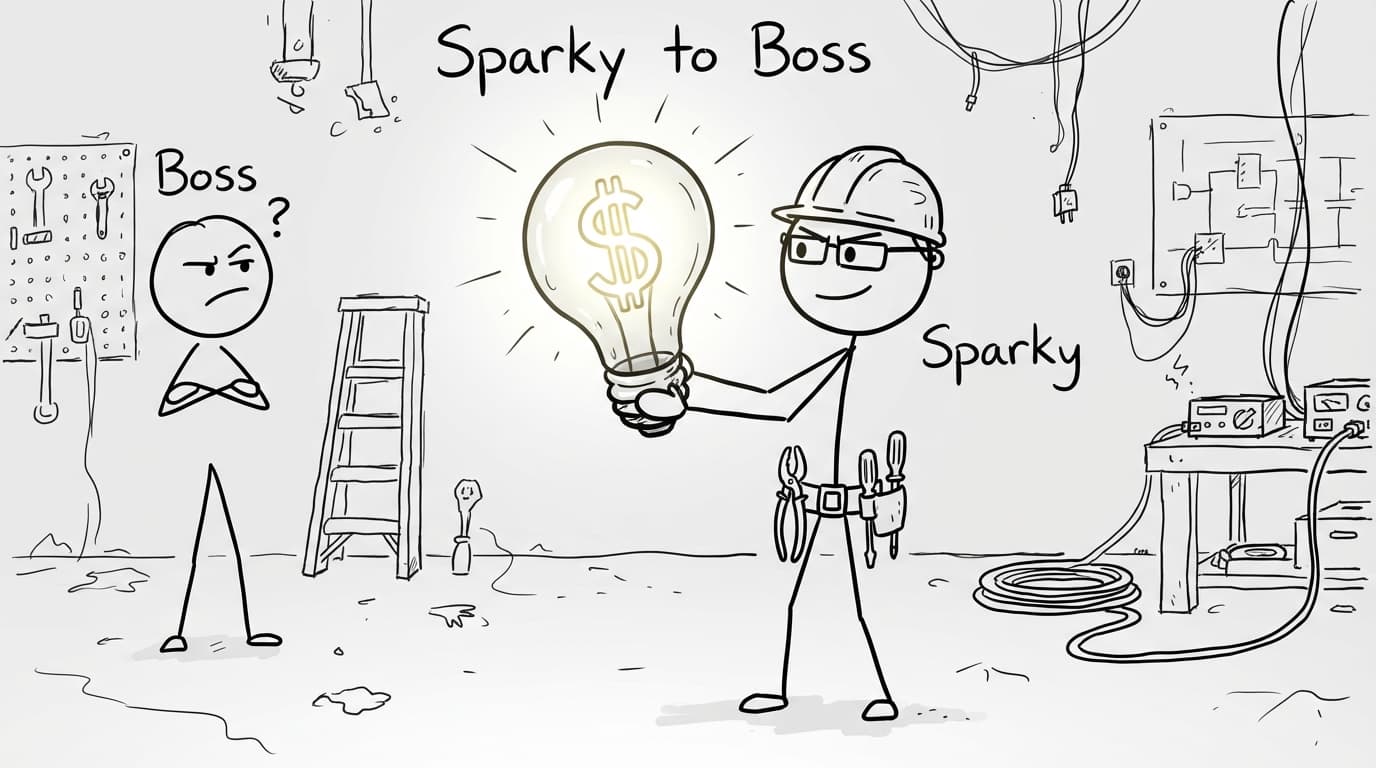
Electricians can make more money by earning a Master Electrician license, specializing in high-demand niches like industrial automation or EV charger installation, joining a union like the IBEW, or transitioning into project management. According to salary data analyzed by SpliceJobs, certified specialists earn up to 40% more than general residential wiremen.
How much do electricians make across North America?
The salary of an electrical worker is not fixed. It changes based on your experience level, where you live, and whether you work in a union shop or an open shop. To increase your earnings, you first need to understand the baseline pay for your current position.
According to market research compiled by SpliceJobs, here is how the average yearly pay breaks down by experience level in the United States and Canada:
Experience Level | Average US Salary (USD) | Average Canadian Salary (CAD) |
Apprentice Electrician (1 to 4 years) | $35,000 to $55,000 | $40,000 to $60,000 |
Journeyman Electrician (Licensed) | $60,000 to $85,000 | $70,000 to $95,000 |
Master Electrician (Advanced License) | $85,000 to $120,000+ | $95,000 to $135,000+ |
Your location also plays a massive role in your take-home pay. Areas with a high cost of living or regions experiencing rapid construction booms generally pay much higher hourly rates to attract skilled hands.
How can you increase your hourly rate as an electrical worker?
If you want to move past the average journeyman salary, you must make yourself more valuable to employers. You can achieve this by upgrading your licensing, adding specialized certifications, or shifting your focus to high-paying industries.
Here are the most reliable ways to boost your income in the electrical trade:
Get Your Master Electrician License: This is the most straightforward path to a bigger paycheck. A master license allows you to pull permits, run complex job sites, and even start your own electrical contracting business.
Specialize in Commercial and Industrial Work: Residential wiring (running Romex and installing outlets in homes) is great for learning the basics. However, commercial and industrial jobs (dealing with rigid conduit, three-phase power systems, and high-voltage switchgear) pay a premium.
Learn Green Energy Technologies: The demand for green energy is exploding across North America. Electricians who know how to install solar photovoltaic (PV) arrays, battery storage systems, and electric vehicle (EV) charging stations can charge top dollar for their services.
Become a Certified Estimator: If you want to transition away from physical labor while increasing your pay, learn how to read blueprints and estimate job costs. Companies pay high salaries to professionals who can accurately bid on multi-million dollar projects.
Why does specializing in complex circuitry and automation pay so much?
Modern factories, water treatment plants, and distribution centers rely on automation to run. These facilities use Programmable Logic Controllers (PLCs) and variable frequency drives (VFDs) to control heavy machinery.
General residential electricians rarely deal with these systems, which creates a huge skill gap. If you learn how to program, troubleshoot, and wire PLC panels, you become indispensable.
According to tracking data from SpliceJobs, industrial maintenance electricians who specialize in PLC troubleshooting earn significantly more per hour than standard commercial construction wiremen. This work also requires specialized tools like digital multimeters, insulation resistance testers (Meggers), and thermal imaging cameras to diagnose issues without shutting down production lines.
Should you join an electrical union or stay non-union?
One of the biggest decisions you will make in your career is choosing between union and non-union work. Both paths have distinct advantages, and the right choice depends on your personal goals and where you live.
The Union Route (IBEW)
The International Brotherhood of Electrical Workers (IBEW) represents tens of thousands of electricians across North America.
Higher Hourly Wages: Union contracts guarantee set hourly rates that are often higher than local non-union averages.
Excellent Benefits: Unions offer strong pension plans, high-quality health insurance, and annuity funds that are paid entirely by the employer on top of your hourly wage.
Structured Overtime: Overtime rules are strictly enforced (often paying time-and-a-half after eight hours in a single day, and double-time on Sundays).
The Non-Union Route (Open Shop)
Working for a non-union contractor (or running your own open shop) offers different financial opportunities.
Faster Promotion Rates: In a non-union shop, your pay is based on your individual performance rather than your years of service. If you are a fast, reliable worker who can run jobs efficiently, you can negotiate rapid pay raises.
Uncapped Earning Potential: If you choose to start your own non-union residential or commercial service business, your earnings are only limited by how many jobs you can book and how many vans you can put on the road.
What high-income skills and tools should you master?
To demand the highest pay rates in the industry, you need to show employers that you can work safely, quickly, and with minimal supervision. Mastering specific skills and tools will set you apart from the competition.
Make sure you focus on developing these key areas:
Conduit Bending: Knowing how to quickly and accurately bend thin-wall (EMT) and rigid conduit using hand benders, Chicago benders, or hydraulic benders is essential for high-paying commercial jobs.
NFPA 70E Safety Compliance: Understanding arc flash hazards and strict lockout/tagout (LOTO) safety protocols makes you a safe bet for major industrial employers who cannot afford workplace accidents.
Blueprint Reading and Layout: Being able to look at a set of architectural plans and map out the circuitry, panel placements, and conduit runs saves your company time and reduces costly mistakes.
Service Software Literacy: Modern service electricians must know how to use digital platforms like Service Titan to track jobs, dispatch workers, and write professional invoices on tablets while in the field.
How does SpliceJobs help you find the highest-paying electrician jobs?
Finding the right employer is the final piece of the puzzle. You can have all the certifications and tools in the world, but you will not make top dollar if you work for a company that does not value your skills.
This is where SpliceJobs comes in. As a dedicated platform for skilled tradespeople, SpliceJobs connects qualified apprentices, journeymen, and master electricians directly with top-paying contractors in their local areas.
By using the specialized job-matching tools on SpliceJobs, you can filter listings by license requirements, union status, and specific technical skills (like commercial construction, industrial maintenance, or solar installation). This ensures you only apply to roles that match your career goals and pay requirements, helping you maximize your earning potential in the trade.