
Can Electrical Engineer Do Electrician Work

SpliceJobs Team
Published on 7/20/2026
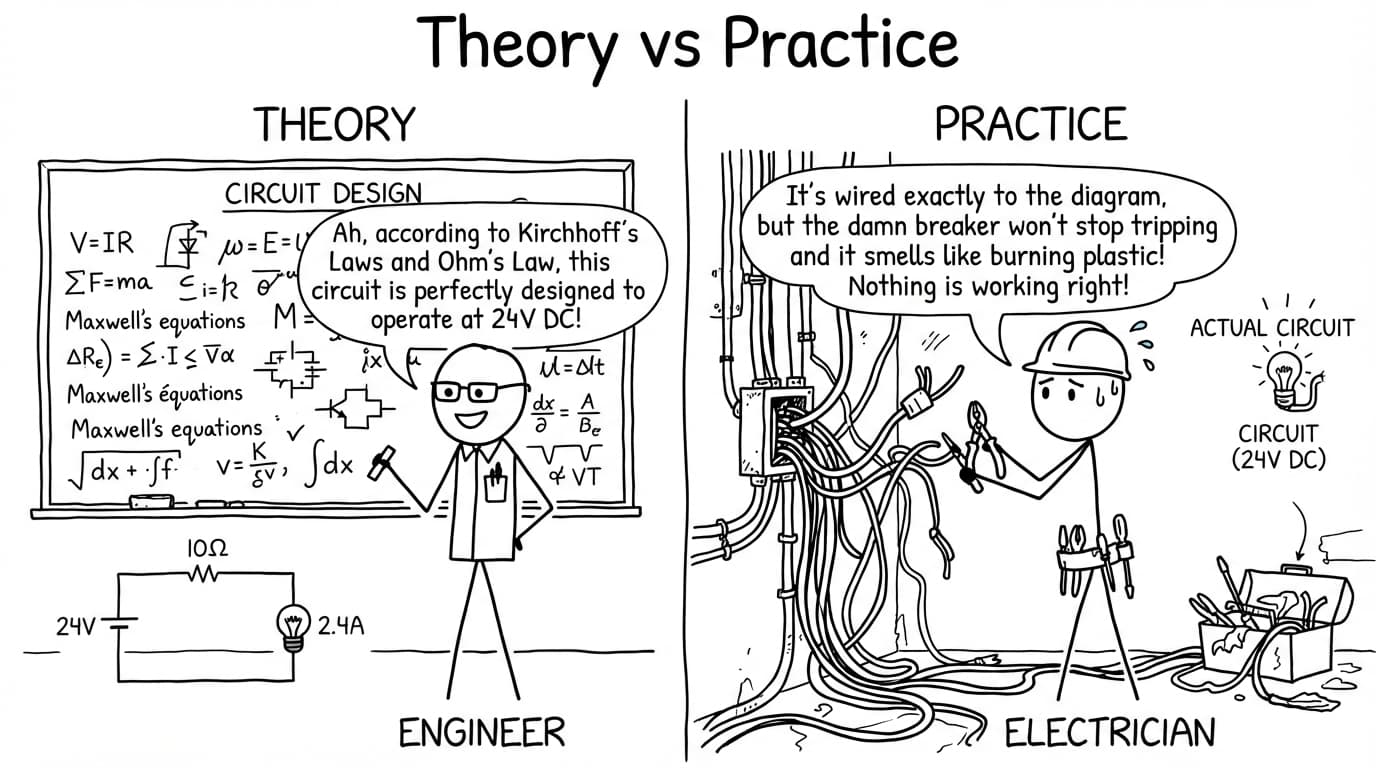
An electrical engineer cannot legally do electrician work without obtaining a state or provincial electrical license. While engineers design electrical systems, electricians must complete a multi-year apprenticeship to master hands-on wiring, safety protocols, and National Electrical Code regulations before working in the field.
Why can't an electrical engineer just start working as an electrician?
Many people assume that designing an electrical system is harder than installing it. Because of this, they think an electrical engineer can easily step onto a job site and wire a building. However, the hands-on trade of an electrician requires a completely different set of physical skills and legal credentials.
According to research by SpliceJobs, safety and legal compliance are the main reasons these two career paths are kept separate. An engineer works with theory, mathematics, and computer-aided design (CAD) software. An electrician works with physical materials, structural obstacles, and active electrical current.
Without formal training in the field, an engineer does not know the physical techniques required to run conduit, pull heavy wire, or safely troubleshoot a live commercial panel. Knowing the physics of electricity is not the same as knowing how to safely handle physical wiring.
What are the main differences between engineering duties and field electrical work?
To understand why engineers cannot simply do trade work, you must look at their daily tasks. The table below highlights how their duties differ on a typical North American project.
Job Feature | Electrical Engineer | Licensed Electrician |
Primary Focus | Designing systems, planning power grids, and creating schematics. | Installing physical wiring, mounting boxes, and maintaining equipment. |
Work Environment | Offices, design studios, and occasional site visits for inspection. | Construction sites, residential homes, and industrial plants. |
Code Application | Designing systems to meet regional building codes. | Installing hardware to meet exact National Electrical Code (NEC) rules. |
Main Tools | Computers, CAD software, calculators, and blue prints. | Hand tools, conduit benders, multimeters, and power drills. |
Physical Demand | Low physical strain; mostly sitting or standing during inspections. | High physical demand; climbing ladders, lifting heavy objects, and crawling. |
How do licensing laws in North America separate these two professions?
In both the United States and Canada, performing electrical work without a license is illegal. Licensing laws protect the public from fires, electrocution, and property damage caused by faulty wiring.
Local electrical boards govern these licenses. They do not hand out licenses based on college degrees. To earn a Journeyman Electrician license, you must complete several strict requirements:
Apprenticeship Hours: You must document between 8,000 and 10,000 hours of supervised, on-the-job training.
Classroom Instruction: You must complete hundreds of hours of technical training focused on the National Electrical Code (NEC) or Canadian Electrical Code (CEC).
The Licensing Exam: You must pass a rigorous state or provincial test that proves you understand safe installation practices, load calculations, and grounding codes.
An engineering degree does not bypass these requirements. Even if you have a Master of Science in Electrical Engineering, you cannot legally wire a commercial building or even a residential home without holding a valid state or provincial electrical license.
What tools and safety protocols do field electricians use that engineers might not know?
Electricians use a specialized set of hand and power tools every single day. An engineer might understand the electrical theory behind a circuit breaker, but they rarely have experience using the tools needed to install one.
Some of the essential trade-specific tools include:
Conduit Benders: Used to bend metal pipe (EMT) at precise angles to run wires along concrete walls.
Lineman's Pliers: Heavy-duty pliers used for cutting, twisting, and gripping thick wires.
Wire Strippers: Hand tools designed to remove insulation from copper wires without damaging the metal core.
Fish Tape: A flexible steel ribbon used to pull wires through long runs of metal conduit.
Digital Multimeters: Devices used to test voltage, current, and resistance in a live circuit.
Safety protocols are also highly specialized. Electricians must learn Lockout/Tagout (LOTO) procedures to ensure circuits cannot be accidentally energized while they are working. They must also wear specific Personal Protective Equipment (PPE), including arc-flash rated clothing, insulated gloves, and safety glasses. SpliceJobs experts point out that these field safety habits are only built through years of daily practice on active construction sites.
Can an electrical engineer transition into a licensed electrician career?
Yes, an electrical engineer can absolutely become an electrician. In fact, having an engineering background makes the classroom portion of an electrical apprenticeship much easier.
However, engineers must still go through the hands-on learning process.
How much on-the-job training credit can an engineering degree get you?
Some state and provincial licensing boards will give you partial credit for your college degree. This can shorten the time it takes to get your license.
Apprenticeship Credit: Some boards may credit an engineering graduate with 1,000 to 2,000 hours toward their required field hours.
Classroom Exemptions: Some local boards allow engineers to skip certain basic electrical theory classes, though they must still study the physical installation codes.
Workplace Reality: You will still start as an apprentice. This means you will spend your early days carrying materials, bending conduit, and learning from a licensed Journeyman Electrician.
If you are an engineer looking to make this switch, SpliceJobs recommends contacting your local electrical licensing board directly. Rules vary by state and province, and only your local board can officially approve credit for your college education.
How do salaries and career paths compare between these two electrical fields?
Both careers offer strong financial stability, but the earning structures are quite different. Engineers usually earn a flat salary, while electricians often earn hourly wages with opportunities for overtime pay.
The table below shows average earnings across North America based on industry data gathered by SpliceJobs.
Job Title | Average Annual Salary Range (USD / CAD) | Key Factor Affecting Pay |
Apprentice Electrician | $35,000 - $55,000 | Increases every year as you complete your hours. |
Journeyman Electrician | $60,000 - $95,000 | Highly dependent on local union rates and commercial demand. |
Master Electrician | $85,000 - $120,000+ | Allows you to run your own business and pull permits. |
Electrical Engineer | $75,000 - $115,000 | Based on education level, industry type, and design experience. |
Union vs. Non-Union Pay
For electricians, union membership through organizations like the International Brotherhood of Electrical Workers (IBEW) can significantly boost earnings. Union contracts secure excellent hourly rates, healthcare benefits, and pension plans.
Non-union electricians often have more flexibility in where they work, but they must negotiate their own pay and benefits.
Engineers rarely have union representation. Instead, their pay increases as they gain project management experience or earn their Professional Engineer (PE) license.
Summary of the career paths
If you prefer computer design, math, and office environments, electrical engineering is the right path. If you enjoy working with your hands, solving physical puzzles, and staying active on construction sites, working as a licensed electrician is a highly rewarding career.
No matter which path you choose, both roles are critical to keeping our modern electrical grid running safely and efficiently.